
PAPERWORK
PLEASE FOLLOW THE STEPS BELOW TO COMPLETE REQUIRED PAPERWORK
STEP 1: SAFARI GUEST INFO, INDEMNITY & AGREEMENT
Completed & signed by EACH AND EVERY adult guest going on the safari, excluding minors.
Note that if mionor has any special dietary requirements, APS need tp be informed.
👉 CLICK TO COMPLETE GUEST INFO, INDEMNITY & SAFARI AGREEMENT
STEP 2: VERIFY YOUR SUBMISSION VIA DIGITAL SIGNATURE
DOCUMENTS TO BE PREPARED FOR UPLOADING
- Take a photo (of the photo page) of your passport with your mobile phone. Make sure it is in focus, there is no glare and include all 4 corners.
- Make sure to also have these passport images of any minors travelling with you, as these will also have to be uploaded.
- Only when visiting Kenya, Tanania or Namibia: Take a photo of yourself with your mobile phone. Photo specifications detailed below.
- Color close-up with of your face 70-80% of photo
- Directly facing the camera
- White background
- Sharp focus, clean, and high quality
- Medical insurance information (Insurer name and Policy number)
- Preferred emergency contact person name and contact number.
IMPORTANT TRAVEL INFORMATION

TRAVELING WITH MINORS
VERY IMPORTANT!
Requirements for travelling with underage children / minors:
All minor children travelling through any South African port of entry must have comply with the requirements below, depending on their spesific situationn:
- CHILD ACCOMPANIED BY BOTH PARENTS
- CHILD ACCOMPANIED BY ONE PARENT
Please read more

PASSPORTS
Due to constantly changing requirements, it is recommended that travelers contact the appropriate embassy for accurate and up-to-date information & requirements
Please refer to https://travel.state.gov/content/travel.html for updated information on each country.
Passport & Visa requirements are guest’s sole responsibility*
- Expiration date valid at least 6 months past return dates
- Please check the number of blank Visa pages required by each country.Passport MUST have AT LEAST 2-3 blank “VISAS pages” per entry – the word “VISAS” must appear at the top of the page to be considered a “Visas Page” . They must be consecutive and blank back and front. Please note the 6 pages required for NAMIBIA!
- Airlines will refuse board if you do not meet this requirement. Please click to view more info on this link
- Please note special requirements when travelling with a minor(s)

BLANK VISA PAGE REQUIREMENTS
How many blank passport pages do you need for an African safari?
Before travelling, check your passport’s available pages as carefully as its expiry date. Several African countries require a minimum number of completely blank visa pages when you arrive—even if you do not need a visa.
For a safari visiting several countries, you need sufficient space for the entire journey, including return visits and border crossings for houseboat stays.
The following reflects official immigration requirements and government travel guidance checked on 9 November 2026, with U.S. passport holders in mind. Travellers using other passports should confirm the requirements applicable to their nationality.
| Country | Blank visa pages required |
|---|---|
| South Africa | 2 consecutive, completely blank visa pages upon each entry. Endorsement pages do not count. |
| Botswana | 3 blank pages at the time of entry. |
| Zimbabwe | 2 blank pages. U.S. government guidance specifies at least 6 blank pages for an itinerary travelling via South Africa, allowing for South African immigration in both directions. |
| Namibia | 3 blank visa pages. |
| Zambia | 3 completely blank pages, according to Zambia’s Department of Immigration. |
| Kenya | 2 blank pages for entry. |
| Tanzania | At least 1 unused visa page; U.S. government guidance specifies one blank page per stamp. Allow additional space for departure formalities. |
| Uganda | 1 blank page for the entry stamp. Allow additional space for departure formalities. |
What counts as a blank visa page?
A completely blank visa page has no existing stamps, visas or other immigration markings. Space remaining on an already stamped page does not count as a completely blank page. Endorsement, amendment and observation pages should not be included in your available visa-page count.
The number of pages required on arrival is different from the number immigration actually uses. An officer may place several stamps on one page or use a fresh page. You cannot rely on officials sharing pages, and you must still meet the next country’s blank-page requirement.
Example: South Africa, Zimbabwe, Botswana and a Namibian houseboat stay
A Chobe River houseboat itinerary can involve immigration formalities in both Botswana and Namibia. The houseboat operator confirms the applicable immigration offices and transfer arrangements.
For illustration, suppose each of the following immigration stops uses one fresh page:
| Step | Immigration stop | Illustrative pages used |
|---|---|---|
| 1 | Enter South Africa on arrival from the USA | 1 |
| 2 | Enter Zimbabwe | 1 |
| 3 | Enter Botswana for the transfer towards the houseboat | 1 |
| 4 | Enter Namibia through Impalila Island immigration for the houseboat stay | 1 |
| 5 | Exit Namibia through Impalila Island immigration when returning towards Kasane | 1 |
| 6 | Re-enter Botswana to depart from Kasane Airport | 1 |
| 7 | Re-enter South Africa before the flight home to the USA | 1 |
| Illustrative total | 7 pages |
Seven pages used does not mean seven blank pages are sufficient at departure. This example does not separately allocate space for every exit stamp, visa sticker or additional immigration marking. You must also retain the required blank pages throughout the journey—for example, three when re-entering Botswana and two consecutive completely blank pages when re-entering South Africa.
For this itinerary, Africa Photo Safaris recommends starting with at least 10 completely blank visa pages, preferably more. This is a practical planning recommendation, rather than a single immigration rule or a guarantee that a particular number will cover every stamping arrangement.
Before departure, check your passport against your complete itinerary, including houseboat transfers, excursions across borders and repeat entries. If space is limited, renew your passport well before travelling.
Requirements can change. Confirm the latest rules for your nationality and route with the relevant immigration authorities, embassies and airlines before departure.
How Many Blank Pages Are Required by Each Country?
- Many countries have a specific travel regulation for the number of blank passport pages visitors should have. This is to allow space for visas and visa stamps.
- Before embarking on an international trip, it is important to check your destination’s passport requirements to ensure that you meet them.
- Having a certain number of blank passport pages is a mandatory rule for some territories, along with any necessary travel documents such as an eVisa or Travel Health Certificate.
- Each border authority has its own passport requirements for travelers. The number of compulsory blank pages depends on the individual territory.
- Countries such as the United Kingdom, Canada, and Morocco only require visitors to have 1 blank page to enter.
- Others, for example Germany, India, and South Africa, follow a 2-page regulation.
- Some African destinations need at least 3 blank pages, such as Botswana, Mozambique, and Zambia.
- There are even some territories, including Brunei and Namibia, that demand a minimum of 6 empty passport pages.
- If you fail to meet these requirements, you could be refused permission to board by an airline or refused entry at border control.
What if I am visiting multiple countries?
- If a trip consists of visiting multiple countries, it is necessary to add the requirements of each country together.
- For example, if you are traveling to somewhere that requires 1 page, then continuing to somewhere that requires 2, you will need to have a total of 3 empty passport pages.
Can I Add Passport Pages?
- Most countries do not allow passport holders to add pages. The United States, for example, previously provided this service but no longer do. The same applies for the UK.
- In most cases, it is necessary to apply for a new passport if there are no more blank pages left.
- You can contact your destination’s embassy or consulate if you are unsure about passport page requirements.

TRAVEL DECLARATION
APS will complete these on your behalf and upload to your WhatsApp group prior to arrival.
🇿🇦 South Africa Traveller Declaration
South Africa requires a quick online Traveller Declaration to be completed prior to arrival. This replaces the old paper customs form and takes only a few minutes.
👉 Complete it here:
https://www.sars.gov.za/travellerdeclaration/
✈️ Step-by-step:
- Click the link above
- Select “Create New Traveller Declaration”
- Enter your:
- Personal details
- Passport information
- Travel details
- Declare any items if applicable (cash, high-value goods, equipment, etc.)
- Submit the form
- You will receive a QR code — save it on your phone or print it
⚠️ Notes:
- This is not a visa, just a customs declaration
- Complete it before departure or arrival
- Have your QR code ready for customs on arrival
- Especially important if traveling with:
- Camera equipment
- Binoculars
- Firearms
🇿🇼 Zimbabwe Traveller Declaration
Before travelling to Zimbabwe, complete your online entry declaration through the official Zimbabwe Immigration portal. Completing this in advance helps streamline the arrival process.
👉 Complete it here:
https://www.evisa.gov.zw/
✈️ Step-by-step:
Click the link above
Select “Start the process”
Choose the entry option applicable to your nationality and visa requirements
Follow the prompts, keeping your passport, travel details and accommodation information handy
Check your details carefully and submit
Save any confirmation and QR code provided on your phone, and keep a printed copy for convenience
⚠️ Notes:
The entry declaration does not replace a visa if your nationality requires one
Complete it before departure to help avoid delays on arrival
Have your passport and declaration confirmation ready for immigration
Travellers eligible for a visa on arrival can complete their declaration online before travelling
Customs declarations are separate — follow ZIMRA requirements for cash, goods and restricted items
VISAS
VISA Application/Approvals & PASSPORT Validity, incl. the required amoutn of empty Visa Pages in the passport are guest’s sole responsibility.
Africa Photo Safaris can assist you with Visa applications (addl. service fee of $ 50 per visa applies)
- Please refer to https://www.passportindex.org/ for updated information on each country.
- US citizens does not require a visa for:
- South Africa
- Botswana
- Zambia
- US citizens need to obtain a visa prior to arrival:
- Tanzania: $100
- Kenya: $32
- Uganda: $50
- Namibia: Approx. $110 / NAD 1,700
- US citizens need to obtain a visa at the port of entry (Victoria Falls airport):
South Africa requires a Traveller Declaration to be completed prior to arrival. This replaces the old paper customs form and takes only a few minutes.
- Zimbabwe: $30 / Single entry & $ 50 / Multiple entry (should be paid in cash/US or Visa/Mastercard at the port of entry).
BOTSWANA VISA NOTE NAMIBIA VISA NOTE KENYA VISA NOTE Please refer to your safari page for your related visa application, approvals and travel declaration SOUTH AFRICA VISA SOUTH AFRICA DECLARATION FORM This form must be filled out and applied for within 24 hours of arrival in South Africa. NOTE Please note that it has been declared that you are not carrying more that R25,000 in ZAR (South African banknotes) or $10,000 USD (or equivalent) in any other foreign currency with you. In this case, you have no goods/or currency to declare. ONLY IF you are carrying more than R25,000 in ZAR (South African banknotes) or $10,000 USD (or equivalent) in any other foreign currency, you must make this declaration to customs authorities whether you are entering or leaving the country. Please be sure that you are not carrying with you / are in conflict with any of these points below (as your declarations form has been completed accordingly) If this is not the case, please advise the immigrations officer so that you can fill out an updated Declarations for upon arrival. TANZANIA VISA NOTE Please refer to your safari page for your related visa application, approvals and travel declaration UGANDA VISA APPLICATION NOTE Please refer to your safari page for your related visa application, approvals and travel declaration ZIMBABWE VISA APPLICATION ZIMBABWE DECLARATION FORM The Zimbabwe requires an Immigration declaration to be filled out prior to arrival. Click below to view what this form looks like: NOTE Please refer to your safari page for your related visa application, approvals and travel declaration ZAMBIA VISABotswana
Namibia
Kenya
South Africa


Tanzania
Uganda
Zimbabwe
Zambia

HEALTH
Click for QUICK SEARCH requirements & restrictions for EACH COUNTRY
Botswana
VACCINATIONS RECOMMENDED:Typhoid & Colera
MALARIA PROPHOLAXIS
CDC recommends that travelers going to Zimbabwe take prescription medicine to prevent malaria. Depending on the medicine you take, you will need to start taking this medicine multiple days before your trip, as well as during and after your trip. Talk to your doctor about which malaria medication you should take.
COVID-19: Botswana currently has no COVID-19 vaccination or testing requirements for entry for U.S. and Canadian residents.
Namibia
VACCINATIONS RECOMMENDED:Typhoid & Colera
COVID-19: Namibia currently has no COVID-19 vaccination or testing requirements for entry for U.S. and Canadian residents.
Kenya
VACCINATIONS
- Required: Yellow Fever (must be administered a minimum of 10 days prior to entry
- Recommended: Typhoid & Colera
MALARIA PROPHOLAXIS
CDC recommends that travelers going to Zimbabwe take prescription medicine to prevent malaria. Depending on the medicine you take, you will need to start taking this medicine multiple days before your trip, as well as during and after your trip. Talk to your doctor about which malaria medication you should take.
COVID - 19
- Tanzania currently has no COVID-19 vaccination or testing requirements for entry for U.S. and Canadian residents.
- Visit the U.S. Department of State at travel.state.gov or the Government of Canada at travel.gc.ca/travelling/advisories for up-to-date information and travel advisories.
- All requirements are subject to change
YELLOW FEVER
CDC recommendation: Yellow fever vaccination is recommended for all travelers ≥9 months old.
Although a yellow fever vaccination is only required to enter Kenya if you are arriving from, or have transited through, a yellow fever-endemic area in South America or Africa–including East African countries such as Tanzania and Uganda.
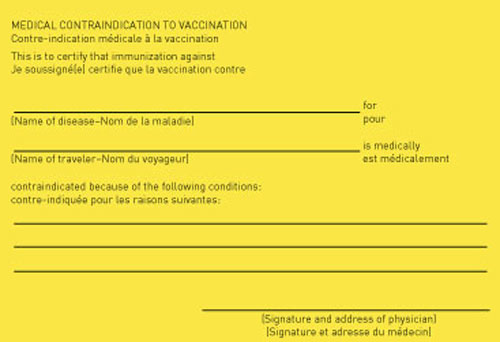
The CDC and WHO each provide a current list of all affected countries. If vaccination for yellow fever is necessary, you must carry an International Certificate of Vaccination provided by your physician; you may be denied entry without it. If your physician advises against receiving the vaccination because of your personal medical history, he or she can provide you with the necessary documentation for the country/countries you are visiting. You will be traveling to an area of malaria transmission.
Entry Requirements
Entry requirements for proof of YF vaccination under the International Health Regulations (IHR) differ from CDC’s YF vaccination recommendations. Under the IHR, countries are permitted to establish YF vaccine entry requirements to prevent the importation and transmission of YF virus within their boundaries. Certain countries require proof of vaccination from travelers arriving from all countries (Table 5-25); some countries require proof of vaccination only for travelers above a certain age coming from countries with risk for YF virus transmission. The World Health Organization (WHO) defines areas with risk for YF virus transmission as countries or areas where YF virus activity has been reported currently or in the past, and where vectors and animal reservoirs exist.
Unless issued a medical waiver by a yellow fever vaccine provider, travelers must comply with entry requirements for proof of vaccination against YF.
WHO publishes a list of YF vaccine country entry requirements and recommendations for international travelers approximately annually. But because entry requirements are subject to change at any time, health care professionals and travelers should refer to the online version of this book and the CDC Travelers’ Health website for any updates before departure.
Read more about this & the YELLOW FEVER WAIVER
MALARIA
CDC recommends that travelers going to certain areas of Kenya take prescription medicine to prevent malaria. Depending on the medicine you take, you will need to start taking this medicine multiple days before your trip, as well as during and after your trip. Talk to your doctor about which malaria medication you should take.
ANTI-ITCH (Antihistamine cream or ointment)
Please be sure top pack a tube or 2 of “anti-itch” cream which will help alleviate mosquito and/or tsetse bite spots.
We strongly advise that you speak with your doctor or travel clinic regarding your itinerary, individual risk assessment and options for mosquito bite prevention and antimalarial drugs. We recommend filling any prescriptions before you depart.
South Africa
VACCINATIONS RECOMMENDED:Typhoid & Colera
COVID-19: South Africa currently has no COVID-19 vaccination or testing requirements for entry for U.S. and Canadian residents.
Tanzania
VACCINATIONS
- Required: Yellow Fever (must be administered a minimum of 10 days prior to entry
- Recommended: Typhoid & Colera
MALARIA PROPHOLAXIS
CDC recommends that travelers going to Zimbabwe take prescription medicine to prevent malaria. Depending on the medicine you take, you will need to start taking this medicine multiple days before your trip, as well as during and after your trip. Talk to your doctor about which malaria medication you should take.
YELLOW FEVER
Note: Required if you are traveling through Kenya prior to your arrival in Tanzania
CDC recommendation: Travelers ≥1 year of age arriving from a country with risk of yellow fever virus transmission, including transit >12 hours in an airport located in a country with risk of yellow fever virus transmission, are required to show proof of vaccination on an International Certificate of Vaccination or Prophylaxis to enter the country
- Yellow fever vaccination is recommended for all travelers ≥9 months old.
- A yellow fever vaccination is only required to enter Tanzania if you are arriving from, or have transited through, a yellow fever-endemic area in South America or Africa – including East African countries such as Kenya and Uganda.
- This means that if your itinerary includes visits to both Kenya and Tanzania, you may be asked to show proof of yellow fever vaccination when entering either country.
- The CDC and WHO each provide a current list of all affected countries.
- If vaccination for yellow fever is necessary, you must carry an International Certificate of Vaccination provided by your physician; you may be denied entry without it.
- If your physician advises against receiving the vaccination because of your personal medical history, he or she can provide you with the necessary documentation for the country/countries you are visiting.
- You will be travelling to an area of malaria transmission.
- We strongly advise that you speak with your doctor or travel clinic regarding your itinerary, individual risk assessment and options for mosquito bite prevention and antimalarial drugs. We recommend filling any prescriptions before you depart.
Entry Requirements
Entry requirements for proof of YF vaccination under the International Health Regulations (IHR) differ from CDC’s YF vaccination recommendations. Under the IHR, countries are permitted to establish YF vaccine entry requirements to prevent the importation and transmission of YF virus within their boundaries. Certain countries require proof of vaccination from travelers arriving from all countries (Table 5-25); some countries require proof of vaccination only for travelers above a certain age coming from countries with risk for YF virus transmission. The World Health Organization (WHO) defines areas with risk for YF virus transmission as countries or areas where YF virus activity has been reported currently or in the past, and where vectors and animal reservoirs exist.
Unless issued a medical waiver by a yellow fever vaccine provider, travelers must comply with entry requirements for proof of vaccination against YF.
WHO publishes a list of YF vaccine country entry requirements and recommendations for international travelers approximately annually. But because entry requirements are subject to change at any time, health care professionals and travelers should refer to the online version of this book and the CDC Travelers’ Health website for any updates before departure.
Read more about this & the YELLOW FEVER WAIVERMALARIA
CDC recommends that travelers going to certain areas of Kenya take prescription medicine to prevent malaria. Depending on the medicine you take, you will need to start taking this medicine multiple days before your trip, as well as during and after your trip. Talk to your doctor about which malaria medication you should take.
ANTI-ITCH (Antihistamine cream or ointment)
Please be sure top pack a tube or 2 of “anti-itch” cream which will help alleviate mosquito and/or tsetse bite spots.
COVID-19
Tanzania currently has no COVID-19 vaccination or testing requirements for entry for U.S. and Canadian residents.
Uganda
VACCINATIONS
- Required: Yellow Fever (must be administered a minimum of 10 days prior to entry
- Recommended: Typhoid & Colera
COVID - 19
- Uganda currently has no COVID-19 vaccination or testing requirements for entry for U.S. and Canadian residents.
- Visit the U.S. Department of State at travel.state.gov or the Government of Canada at travel.gc.ca/travelling/advisories for up-to-date information and travel advisories.
- All requirements are subject to change
YELLOW FEVER
CDC recommendation: Yellow fever vaccination is recommended for all travelers ≥9 months old.
Although a yellow fever vaccination is only required to enter Kenya if you are arriving from, or have transited through, a yellow fever-endemic area in South America or Africa–including East African countries such as Tanzania and Uganda.
The CDC and WHO each provide a current list of all affected countries. If vaccination for yellow fever is necessary, you must carry an International Certificate of Vaccination provided by your physician; you may be denied entry without it. If your physician advises against receiving the vaccination because of your personal medical history, he or she can provide you with the necessary documentation for the country/countries you are visiting. You will be travelling to an area of malaria transmission.
Entry Requirements
Entry requirements for proof of YF vaccination under the International Health Regulations (IHR) differ from CDC’s YF vaccination recommendations. Under the IHR, countries are permitted to establish YF vaccine entry requirements to prevent the importation and transmission of YF virus within their boundaries. Certain countries require proof of vaccination from travelers arriving from all countries (Table 5-25); some countries require proof of vaccination only for travelers above a certain age coming from countries with risk for YF virus transmission. The World Health Organization (WHO) defines areas with risk for YF virus transmission as countries or areas where YF virus activity has been reported currently or in the past, and where vectors and animal reservoirs exist.
Unless issued a medical waiver by a yellow fever vaccine provider, travelers must comply with entry requirements for proof of vaccination against YF.
WHO publishes a list of YF vaccine country entry requirements and recommendations for international travelers approximately annually. But because entry requirements are subject to change at any time, health care professionals and travelers should refer to the online version of this book and the CDC Travelers’ Health website for any updates before departure.
Read more about this & the YELLOW FEVER WAIVER
MALARIA
CDC recommends that travelers going to certain areas of Kenya take prescription medicine to prevent malaria. Depending on the medicine you take, you will need to start taking this medicine multiple days before your trip, as well as during and after your trip. Talk to your doctor about which malaria medication you should take.
ANTI-ITCH (Antihistamine cream or ointment)
Please be sure top pack a tube or 2 of “anti-itch” cream which will help alleviate mosquito and/or tsetse bite spots.
We strongly advise that you speak with your doctor or travel clinic regarding your itinerary, individual risk assessment and options for mosquito bite prevention and antimalarial drugs. We recommend filling any prescriptions before you depart.
Zimbabwe
VACCINATIONS RECOMMENDED:Typhoid & Colera
MALARIA PROPHOLAXIS
CDC recommends that travelers going to Zimbabwe take prescription medicine to prevent malaria. Depending on the medicine you take, you will need to start taking this medicine multiple days before your trip, as well as during and after your trip. Talk to your doctor about which malaria medication you should take.
COVID-19: Zimbabwe currently has no COVID-19 vaccination or testing requirements for entry for U.S. and Canadian residents.
Zambia
VACCINATIONS RECOMMENDED:Typhoid & Colera
MALARIA PROPHOLAXIS
CDC recommends that travelers going to Zimbabwe take prescription medicine to prevent malaria. Depending on the medicine you take, you will need to start taking this medicine multiple days before your trip, as well as during and after your trip. Talk to your doctor about which malaria medication you should take.
COVID-19: Zambia currently has no COVID-19 vaccination or testing requirements for entry for U.S. and Canadian residents.

STAY IN TOUCH!
Please download WhatsApp to your mobile phone if you do not already have it installed. Your WhatsApp number is the same as your current mobile phone number, so there is no need to obtain a separate number.
Once WhatsApp is installed, please add the following contact:
Africa Photo Safaris
+1 (949) 400-5262
After adding the contact, please send us a brief message (for example, "Hello" or your name) so that we can confirm we are connected before your departure.
WhatsApp will be our primary means of communication throughout your safari. Prior to your arrival, we will create a dedicated WhatsApp group for your safari and add you, along with the relevant Africa Photo Safaris team members, guides, and support staff.
Using a dedicated WhatsApp group enables us to provide timely updates, coordinate logistics, answer questions, share important information, and offer immediate assistance throughout your journey. This communication tool plays an essential role in ensuring your safari runs as smoothly and seamlessly as possible.
WEATHER
During the winter period, June through August, nighttime temperatures in some areas can drop to freezing or below. Early morning game drives during these winter months can start out very chilly and you should bring a warm sweater, gloves and even a hat to cover your ears. However, by mid-morning the days will heat up dramatically. The rains occur each year during November through March, with the dry season stretching from April through October.
Fall (April & May) and Spring (September & October) is our favorite season - fabulous mild weather ensure optimum comfort and safari experience.

ARRIVAL
Absolutely there will be someone to meet you on arrival at the airport.
As our valued guests, it is our pleasure to welcome you to Africa! After passing through customs at your arrival airport, you will be greeted by a staff member who will take you as swiftly as possible to the comfort of your hotel.

TIPPING
Tipping on safari can sometimes feel like a tricky subject, so we’ve put together a few helpful guidelines. First and foremost, tipping is completely up to you—there’s absolutely no obligation, and you should never feel pressured to tip. That said, even a small tip can go a long way and is always deeply appreciated by the staff at the lodges.
Keep in mind that while your guide will likely be your main point of contact, there’s a whole team working behind the scenes to make your safari smooth, comfortable, and unforgettable. From housekeeping to kitchen staff, many of these dedicated individuals may not be visible, but their contributions are just as important.
How much do I tip?
If you’d like to leave a tip, we recommend giving it in cash (currencies detailed below) —Average $35 per person per day. Any extra tips are always deeply appreciated and have a far greater impact on the lives of the staff than you might ever realize.
Camp/Lodge Staff: There is a lot that happens behind the scenes of your safari and it’s important to consider and acknowledge all the wonderful people who look after the lodge. From housekeepers, to wait staff, to chefs – they all deserve to be thanked appropriately!
How do I tip?
Most lodges will provide you with envelopes to place the tips in. Please hand your tips to the camp host/hostess. They’ll ensure it’s shared fairly among all the staff based on their roles and efforts.
🇿🇦 South Africa
Who to Tip:
- Safari lodge stays: $25–$35 per safari guest/day
- Long distance transfer Drivers: $ 20-$25 per service
Currency: South African Rand (ZAR) preferred.
🇧🇼 Botswana
Who to Tip:
- Safari lodge stays: $25–$35 per safari guest/day
- Tracker/Mokoro Poler: $5–$10 per guest/day
Currency: USD preferred; Botswana Pula accepted but not typical for tips.
 Zimbabwe
Who to Tip:
- Safari lodge stays: $25–$35 per safari guest/day
Currency: USD only; avoid ZWL or Bond Notes.
🇿🇲 Zambia
Who to Tip:
- Safari lodge stays: $25–$35 per safari guest/day
Currency: USD strongly preferred; Kwacha accepted but not ideal for tipping.
🇰🇪 Kenya
Who to Tip:
- Safari lodge stays: $25–$35 per safari guest/day
Currency: USD preferred; Kenyan Shilling acceptable for small tips.
🇺🇬 Uganda (for Gorilla Trekking Safaris)
Who to Tip:
- Gorilla Trekking Guide/Ranger: $10–$20 per safari guest/day
- Tracker/Escort Staff: $5–$10 per safari guest/day
- Lodge/Camp Staff: $10–$15 per safari guest/day
- Drivers/Transfers: $2–$5 per transfer
Currency: USD preferred; Ugandan Shilling acceptable for minor services.
General Safari Tipping Tips
When to Tip: At the end of your stay at each lodge or with each guide.
How to Tip: Use envelopes or tipping boxes. For staff pools, let the manager distribute tips fairly.
Currency Rules: Use clean, recent USD notes (post-2006). Local currencies acceptable for minor services.
Avoid: Old/torn USD notes, asking staff to exchange currency, or overtipping under pressure.
Which Currency?
Note
Banks and foreign exchange bureaus are available at all international airports and main towns, however, ATM's do not dispense USD notes.
Properties with gift shops have credit card facilities, but tips cannot be accepted via credit card.

PACKING LIST

BAGGAGE ALLOWANCE
Included is one free checked bag weighing up to 20 kg / 44 lbs. and one piece of hand baggage weighing up to 7kg / 15 lbs plus a slimline laptop bag or small handbag. For anything more, you can simply purchase extra bags online at a discounted rate or at the airport.
👉 Click for on the airline logo for all the details
 👉 Click to view details







CHARTER & LIGHT AIRCRAFT FLIGHTS
- Typically limited to 15 kgs. / 33 lbs. per person. Please note the restrictions related to specific airlines below. Bags should bring have to be small, flexible, soft sided Unfortunately, large suitcases and rigid, inflexible luggage cannot be transported.
- Luggage with “pull along” handle frames and wheels are NOT flexible soft bags and do not fit into the aircraft.
- All luggage must be packed in the belly pods of the aircraft. Suitcases and luggage with rigid wheel frames do not fit and as a result cause delays and inconvenience for other travelers.
👉 Click for on the airline logo for all the details
 👉 Click to view details






HAIRDRYERS & MORE
Sockets & power adaptors
South Africa primarily uses Type D, M, and N electrical sockets and plugs. The standard voltage is 230V, and the frequency is 50Hz.
Botswana & Zimbabwe primarily uses D, M, and G electrical sockets and plugs.The standard voltage is 230V, and the frequency is 50Hz.
Zambia primarily uses Type C, D, and G electrical sockets and plugs.The standard voltage is 230V, and the frequency is 50Hz.
Kenya primarily uses Type G electrical sockets and plugs. The standard voltage is 240V, and the frequency is 50Hz.
Tanzania primarily uses Type D and G electrical sockets and plugs. The standard voltage is 230V, and the frequency is 50Hz.
Click for Multi Country power adaptor
Camps with regular electricity supply
Hairdryers and other hair styling devices: do not pack your US 120V products!
If the camp has regular power: Please purchase a travel hair dryer with DUAL voltage 120-220v, click for example
For a compatible hairdryer, you would need one that supports the voltage and plug type used in South Africa. Look for a hairdryer that can operate at 230V and supports either Type D, M, or N plugs. Additionally, it's advisable to check if the hairdryer has dual voltage compatibility, which means it can work with both 110-120V and 220-240V power systems. This feature is particularly useful if you plan to travel with the hairdryer to regions with different voltage standards
The same applies to hair straightners & curlers
Camps with solar only power
If only solar power is available in camp: 12 v Hairdryer and Hair straightener
Note that it can never be guaranteed to work as camps vary based on location and available power sources.

POWER ADAPTORS

WI-FI

GAME VIEWING

SAFETY

ACCOMMODATION

CREDIT CARDS
Yes, most locations accept VISA or MasterCard. American Express in not widely accepted.

CELLPHONES
TRAVEL INSURANCE

PLANNING